Ukraine–EU Fulfillment: How Warehouses in Mukachevo and Košice Accelerate Delivery and Sales
In e-commerce and distribution, it’s not only about “what we ship and where,” but about how fast and error-free an order is executed: goods receiving, storage, picking, labeling, packing, dispatch, and returns. This is exactly what fulfillment is—an operational system that makes order processing stable and predictable.
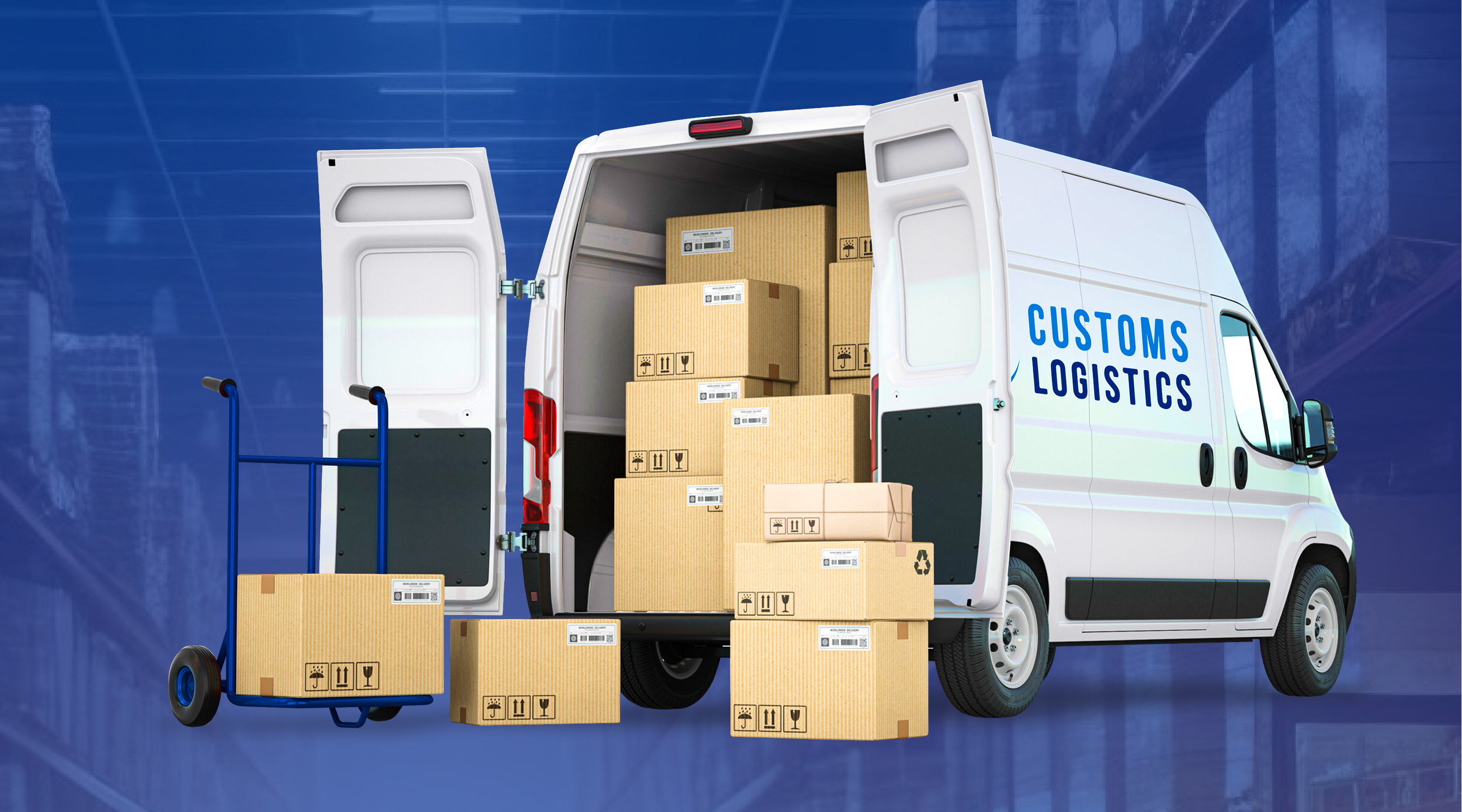
Customs Logistics provides comprehensive fulfillment and warehousing services in Ukraine and the EU, using its own warehouses in Mukachevo (Ukraine) and Košice (Slovakia). This model helps businesses reduce logistics costs, speed up order processing, and maintain uninterrupted supply—both for Ukraine and the EU.
What fulfillment is—and how it differs from “just a warehouse”
A warehouse is primarily about storage.
Fulfillment is storage plus end-to-end order execution, including operations that directly impact sales speed and service quality:
- Pick & Pack (picking and packing orders)
- Labeling and stickering (barcodes, labels, marketplace requirements)
- Shipping across Ukraine and the EU (organizing delivery from the warehouse to the final recipient)
- Returns processing (receiving, inspection, repacking, restocking)
- E-commerce integrations (end-to-end automation of order processing)
Result: less manual routine, fewer mistakes, and a faster cycle of “order → dispatch → delivery.”
Which processes are most often needed by e-commerce and distribution
- Goods receiving — quantity verification, condition check, basic inspection.
- Storage — pallet, shelf, or bin storage (for different product types).
- Picking — single-item orders, sets, promo bundles.
- Packing — aligned with brand standards, marketplace requirements, or product specifics.
- Labeling — barcodes, labels, special markings to meet client and platform requirements.
- Dispatch — across Ukraine and the EU in the shortest possible time (from warehouse to customer).
- Returns — receiving, condition control, repacking, restocking, or preparing a report.
Why having warehouses on the Ukraine–EU lane provides a tangible speed boost
When a business has operational hubs in Ukraine and in the EU, it typically delivers three key effects:
- Shorter path to the customer: if customers are in the EU, shipping from the EU hub reduces last-mile time.
- Batch consolidation and controlled inventory: you bring goods in batches and ship as smaller orders—without chaos or delays.
- Faster response to demand: seasonality, sales peaks, promotions—scaling is easier when processes are standardized.
That is why Customs Logistics uses its own warehouses in Mukachevo and Košice as a base for fast storage and order execution in two jurisdictions.
Integrations are not a “nice bonus”—they are the foundation of stable e-commerce
Once a business reaches 20–50+ orders per day, manual status management starts to break operations: duplicates, address errors, SKU confusion, stuck returns, and inaccurate stock levels.
That’s why at Customs Logistics, integrations are part of the e-commerce solution: the system receives orders automatically, returns statuses, synchronizes stock, and provides reporting.
Integration is available with popular platforms and CRMs, including:
Shopify, WooCommerce, Prom, Rozetka, Amazon, KeyCRM, OpenCart, and others.
One important practical note: launching an e-commerce integration typically takes 3–5 business days after technical requirements are agreed.
Advantages of fulfillment and warehousing with Customs Logistics
Own warehouses in Ukraine and the EU
Your goods can be stored and processed in the company’s own facilities in Mukachevo and Košice—speeding up operations and increasing flexibility in inventory management.
End-to-end cycle: from receiving to delivery to the end customer
Customs Logistics covers the full cycle: receiving, storage, packing, labeling, delivery, and returns.
Pick & Pack + labeling to meet client and marketplace requirements
The company performs picking/packing and applies barcodes, labels, and special markings—aligned with client and marketplace requirements.
E-commerce automation and transparent reporting
E-commerce clients get CRM/platform integrations, automated online order processing, and analytics/reporting on statuses and inventory (useful for SLA management and financial planning).
Returns processing as part of the service
Returns are not an “emergency” when the process is set up: receiving, inspection, repacking, and restocking (or a separate report).
Flexible cooperation model
You can choose a full cycle (logistics + customs + warehousing + fulfillment) or connect Customs Logistics to individual stages (for example, only warehousing/fulfillment or only customs clearance, including T1/transit).
Who benefits most from Ukraine–EU fulfillment
- Brands selling in the EU that want faster delivery to customers.
- Online stores operating in two jurisdictions (UA + EU) and aiming for a single operational system.
- Manufacturers and distributors importing in batches and breaking them down into orders.
- Companies with seasonal peaks (Black Friday, holidays, sales) where loads are impossible to handle without fulfillment systems.
How long order processing takes
This is critical for e-commerce: fast processing = better customer experience = more repeat purchases.
How to start working with fulfillment (short plan)
- Agree on the model: Ukraine, EU, or combined.
- Define the storage type (pallet/shelf/bin) and processes (pick & pack, labeling, returns).
- Connect integrations with the platform/CRM (if needed).
- Set up packing/labeling rules for your brand and marketplace requirements.
- Launch operations and receive transparent reporting on statuses and stock.
Fulfillment is not “a warehouse,” but a controlled order execution system. And the Ukraine–EU model with hubs in Mukachevo and Košice gives businesses speed, inventory control, and flexibility for scaling.
Customs Logistics can cover a full cycle (logistics + customs + warehousing + fulfillment) or connect to specific stages—depending on your tasks, routes, and budget.